





Cashout Basics For Australia Players
Cashouts are the moment the “fun” part ends and the “process” part starts. That switch trips people up. You win, you feel impatient, you rush the cashier, and then you get stuck on a missing detail you could have fixed in two minutes.
If you play from Australia, be realistic about rules and access. Different products and promotions can come and go, and banking behavior can vary by provider. So you keep your balance small, you cash out on a schedule, and you avoid treating a gaming account like a savings jar.
Suppose you finish a session in Brisbane and you want to take money out before bed. The best move is boring: open the cashier, pick the same payout route you used last time, enter the amount once, confirm, then stop tapping.
Before You Request A Payout
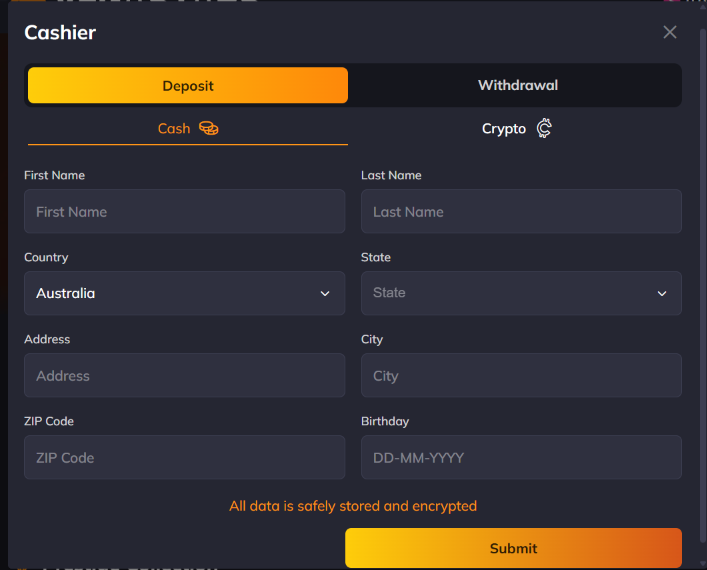
Start with your profile. Name spelling, date of birth, email, and address format should match what your payment method shows. Mismatches are the easiest way to trigger extra checks. This is not about “catching you,” it’s about automated systems refusing inconsistent data.
Then check the minimum and maximum per request. Some methods reject tiny requests. Some cap large ones and split them. If you know the limits, you choose an amount that fits and you avoid the back-and-forth.
One more habit: take a screenshot of the confirmation screen after you submit. It gives you a timestamp and a reference. If anything stalls, you have facts, not memory.
Status Stages You Will See
Most platforms use a similar ladder of statuses. First, “requested” or “submitted.” Next, “approved” or “accepted.” After that, something like “processed” or “sent.” The last step is your bank or wallet showing the credit.
Treat each stage differently. If you are still on the first stage, it may be waiting in a queue. If you are on a “sent” stage, the platform has done its part and the rail is now moving it.
Here is a micro-scenario from Sydney. You submit a request at 9:10 pm, it flips to approved by 9:25 pm, then nothing hits your bank until morning. That can be normal. Don’t spam support at 9:30 pm. Wait, then check again.
What Slows A Cashout Down
People blame the platform first. Sometimes it is the platform. Many times it is a mix of queues, verification, payment rails, and bank risk rules. The good news is you can control a big chunk of it by staying consistent and doing the boring admin work early.
Timing matters. Late-night requests can land in a smaller staffing window. Weekend requests can bump into banking schedules. Big promo wins can trigger additional checks. None of this is shocking once you’ve seen it twice.
Also, the first cashout is rarely the fastest. New accounts often get extra review steps. After you pass the first round and your details are stable, things often feel smoother.
Verification And Account Checks
If documents are required, give the system clean inputs. Bright light. All corners visible. No glare. No blurry edges. Don’t crop too tight. And don’t upload while you are walking through an airport.
Suppose you try to upload proof from a shaky train in Melbourne. You submit a blurry photo, it gets rejected, you get annoyed, you re-upload three times, and now you’ve created a delay that looks like “they are slow.” It’s not speed. It’s quality.
Keep payment ownership consistent too. If you deposit from one name and try to cash out to another account, you can trigger manual review. If you want fewer delays, keep the same ownership details end-to-end.
Cashier Limits And Fees

Limits and fees decide how much you actually receive and how smooth the request feels. If you ignore them, you can end up splitting requests, paying avoidable charges, or waiting longer than expected.
Start with minimums. Some methods require a certain amount for payouts. If you try to cash out less, it may get rejected or pushed back. Then maximums. Large requests can be split into parts. That is not always a problem, but it can surprise you if you expected one transfer.
Fees come in different forms. Some routes charge a fixed fee. Some charge a percentage. Some charge for currency conversion. Crypto routes also have network fees that change by the hour.
Here is a simple table you can use to choose a route based on the way you play. It avoids fancy promises and focuses on what you can control.
Route Type | Best Fit | Typical Pace | Common Limits | What To Watch |
|---|---|---|---|---|
Bank Card | Familiar setup | Hours to days | Daily caps | Bank prompts and holds |
E-Wallet | Budget separation | Same day to 48h | Wallet caps | Service fees |
Crypto Transfer | Flexible funding | Minutes to hours | Network rules | Fee spikes and wrong chain |
Bank Transfer | Larger amounts | 1-5 business days | Bank cutoffs | Details and references |
Prepaid Option | Tight control | Fast deposits | Payout support varies | Availability by region |
A quick micro-scenario in Perth: you pick a route with a low maximum, request a large amount, and the system splits it into two. You see two “sent” entries and think something broke. It didn’t. It stayed inside method caps. Track both entries and move on.
Timing Windows And Weekends
Cashout timing is not just “fast or slow.” It’s a pattern. Once you learn the pattern, you can plan around it and stop feeling surprised.
If you want the smoothest experience, request earlier in the day when possible. Queues are often smaller. Banks are awake. Payment rails are less likely to push processing into the next day.
If you request late Friday night, you may land in a stack that moves slower. That doesn’t mean anything shady happened. It means you chose a busy window.
Business Hours Versus Network Hours
Some routes behave like business services. Bank transfers and some card credits can move on business-day timelines. Crypto routes can move at any hour, but they depend on network traffic and fee levels.
Suppose you cash out with a bank-style route at 11:30 pm in Sydney. It may not start moving until the next business window. That can feel like a delay. It is also predictable once you accept it.
If you use a crypto route, timing can be quick at 2:00 am or slow at 2:00 am depending on network congestion. Fees can jump. Confirmations can slow. You don’t force it when the network looks jammed. You wait.
Queue Peaks And Quiet Slots
Queue peaks happen after big sports events, after work hours, and on weekends. Quiet slots happen mid-day and early afternoon. If you can choose, choose quiet.
Micro-scenario: you finish a session in Brisbane right after a major match ends and thousands of people hit the cashier. Your request sits in a queue. That’s not personal. It’s traffic.
If you want fewer queues, cash out on a schedule. Tuesday morning. Thursday afternoon. Pick something you can repeat. Repetition turns chaos into routine.
Australia Bank Flags
Banks in Australia can treat gambling-related transactions cautiously. That can show up as declines, extra prompts, or delayed credits. It can happen even when the platform side looks clean.
If your card deposit fails, check your banking app for an approval prompt. Approve once, retry once. If it keeps failing, don’t spam the button. Switch methods or try later.
For cashouts, a “processed” status can mean the platform finished and your bank is now deciding how fast to post the credit. If you want to reduce this friction, keep your transaction amounts consistent and avoid repeated rapid-fire attempts.
Mobile Cashouts Without Mistakes
Mobile is convenient. It is also a perfect environment for bad clicks. Small screens, weak signal, public Wi-Fi, and a thumb that taps twice when it should tap once. You fix that with habits, not with hope.
Start with connection. Use mobile data for money actions when you are on public Wi-Fi. If you must use Wi-Fi, use a trusted network and keep your session short.
Then device security. Lock screen. Updates. No saved passwords in shared browsers. Your phone is a wallet now, act like it.
Public Wi-Fi And Device Security
Suppose you are in a cafe in Melbourne and you are on free Wi-Fi. Browsing is fine. Logging in and moving money is where you should switch to mobile data.
If you share devices at home, don’t keep sessions open. Log out after deposits and cashouts. And don’t leave the platform open in ten tabs. That tab chaos can cause weird “logged out” moments that feel scary but are just browser behavior.
Email security matters too. Recovery links and alerts go there. If your inbox is weak, your whole setup is weak.
Tiny Habits That Stop Double Clicks
Here is the simplest one: after you submit a request, put your phone down for ten seconds. Sounds silly. Works.
Another habit: screenshot the confirmation screen, then leave the cashier page. Refreshing every 20 seconds doesn’t speed anything up, it just makes you anxious.
Micro-scenario: you submit a request in Sydney, it lags for a second, and you tap again. Now you have two requests. You panic. Avoid it. Tap once, wait, screenshot, stop.
And don’t change payout methods mid-process because you got impatient. That can reset checks and push you back in the queue.

Support Messages That Get Fast Answers
Support is not a therapist. Treat it like a ticket system. Facts first. Then a screenshot. Then stop typing.
If something stalls, check your email first for verification prompts. Check your cashier status ladder. Check your bank app for approvals. Then write to support with clean details.
Use this template: time, action, amount, current status, device type, screenshot. One message. Short. If you write an essay, the agent has to hunt for the facts and you wait longer.
Suppose you see a pending deposit and assume it failed. Before you try again, check your bank prompts and your transaction history. Acting twice is how people double their top-up by accident.
Also, keep your play responsible. Set deposit caps. Set time limits. Take breaks. If you feel chase mode, step away for five minutes and do something physical. That tiny reset changes decisions.